Croatia Property Prices in 2026: Is Croatian Property Still a Good Investment?
Croatian property prices have risen steadily for several years, and 2026 has continued the trend. For investors, the question is no longer whether the market has grown, but whether it still offers value and how stable that growth is. Here is what the official data shows.
What official data says about Croatian property prices
According to the Croatian Bureau of Statistics, residential property prices in Croatia rose by 12.7% in the year to the second quarter of 2026.
- Adriatic coast: prices up 9.0% year on year.
- Existing homes: up 14.1%.
- New builds: up 9.2%.
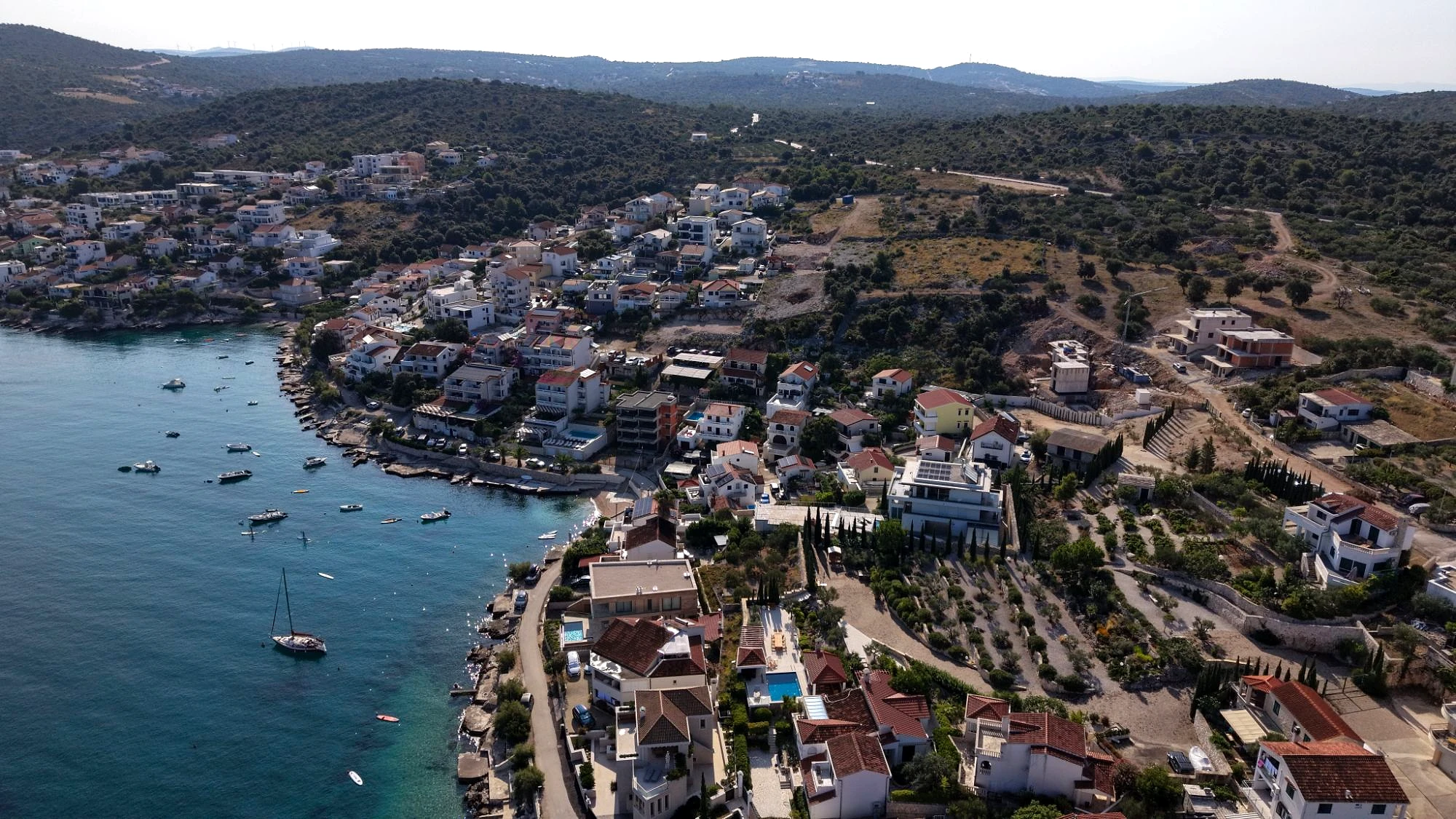
These are averages across all property types, old and new. At a local level, the average asking price for homes in Rogoznica, near Ražanj, was €4,216 per m² in August 2026, up 6.5% in a year, according to Nekretnine.hr.
What is driving the Croatian property market
Tourism keeps setting records
Croatia earned a record €15.3 billion from foreign tourism in 2025, according to the Croatian National Bank. Visitor numbers have levelled off, but spending per visitor keeps rising, which supports demand for high-quality holiday homes.
Euro and Schengen membership
Croatia adopted the euro and joined the Schengen Area in January 2023. For buyers elsewhere in Europe, that removed currency risk and border checks, making Croatian property easier to buy, own and visit.
Limited coastal supply
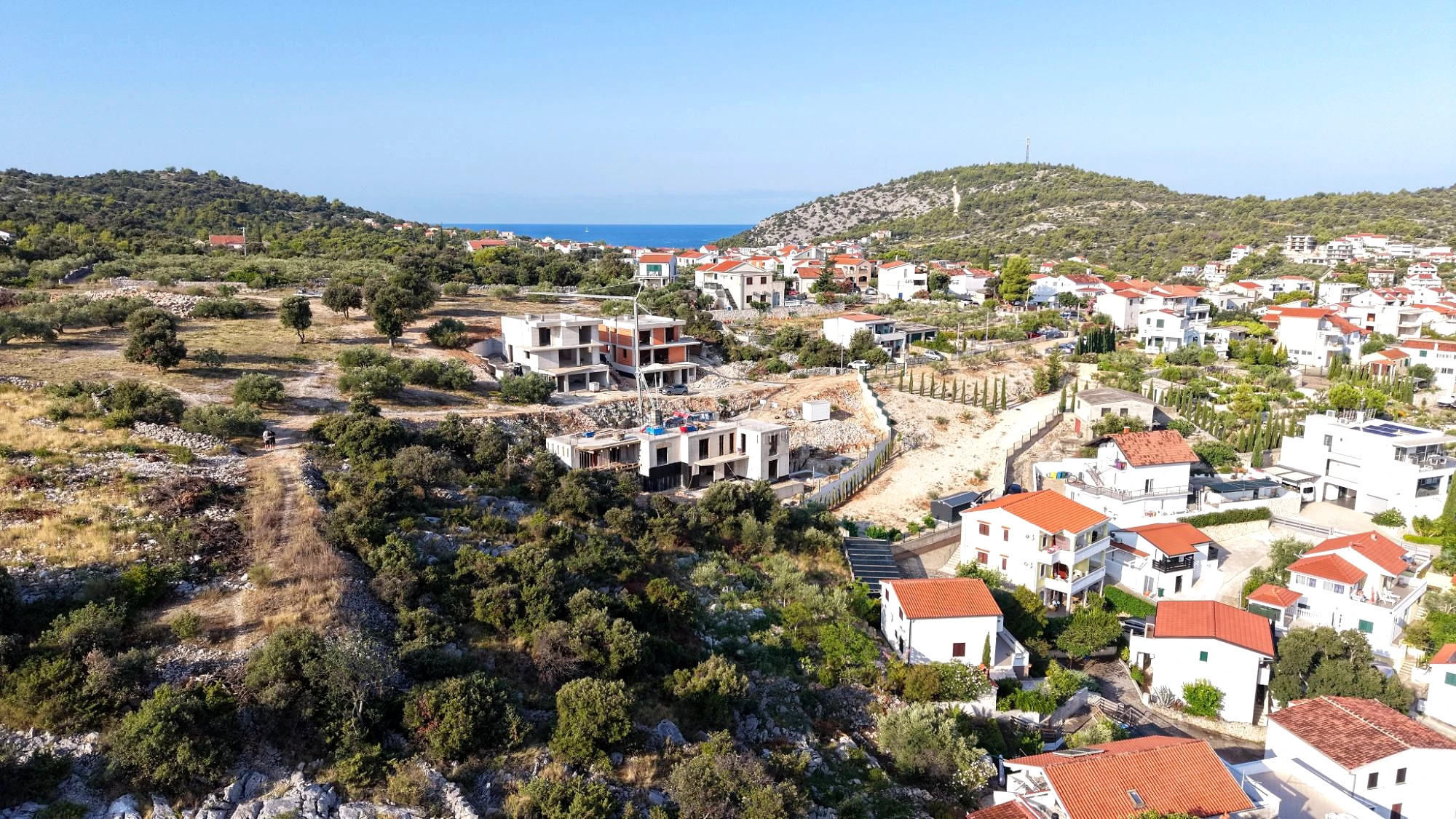
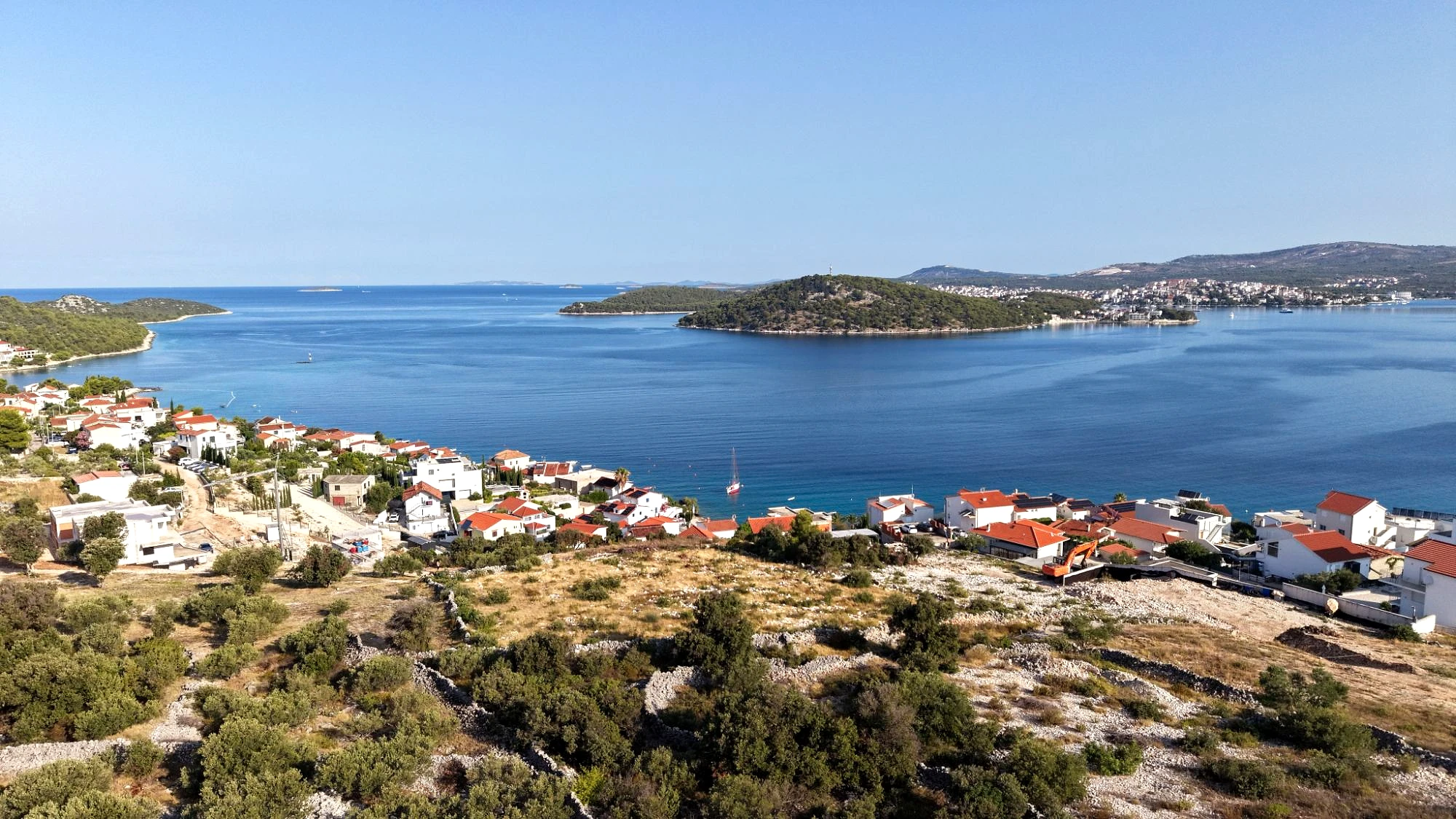
Planning rules restrict new building close to the shoreline, particularly outside existing settlements. Good sea-view plots near the water are finite, which helps protect values in the best locations.
Better access
Split Airport connects Central Dalmatia with cities across Europe, and most of the coast is a short drive from the airport by motorway.
Fewer sales, firm prices
Recent figures point to fewer property transactions in Croatia, while prices have kept rising. This suggests a market moving from rapid growth to steadier, more selective demand. Owners are not under pressure to sell, and buyers are focusing on quality and location.
For investors, this means Croatia looks less like a short-term trade and more like a long-term hold.
Is Croatian property a good investment?
For the right buyer, it can be. The strongest case combines three things:
- Capital growth from limited supply in prime coastal locations.
- Rental income during a long season, from May to October.
- Personal use of a home in one of Europe’s most attractive coastlines.
The risks to weigh
A balanced view includes the downsides:
- Seasonality: rental income is concentrated in the summer months.
- Liquidity: fewer transactions can mean it takes longer to sell.
- Running costs: the annual property tax, maintenance and management reduce net returns.
- Regulation: rules on tourist rentals are tightening, especially for apartments in shared buildings.
Past growth is no guarantee of future returns, so investors should plan for a holding period of several years.
Frequently asked questions
Are property prices still rising in Croatia? Yes. Official figures show prices up 12.7% nationally and 9.0% on the Adriatic coast in the year to Q2 2026.
Is it a good time to buy property in Croatia? For long-term buyers focused on quality locations, the fundamentals remain strong: limited coastal supply, record tourism revenue and the stability of the euro and Schengen.
Where can I find official Croatian house price data? The Croatian Bureau of Statistics (DZS) publishes a quarterly house price index, including a separate figure for the Adriatic coast.
A long-term address on the Adriatic
Croatian Hills offers a small number of private residences near Ražanj, in one of the quieter parts of Central Dalmatia. Explore Hilltop and Northill, or request investment details.
Sources: Croatian Bureau of Statistics, House Price Indices Q2 2026; Croatian National Bank; Nekretnine.hr, August 2026. This article is general information, not financial advice. Property values can fall as well as rise.