Holiday Rental Income in Croatia: What a Villa Can Realistically Earn
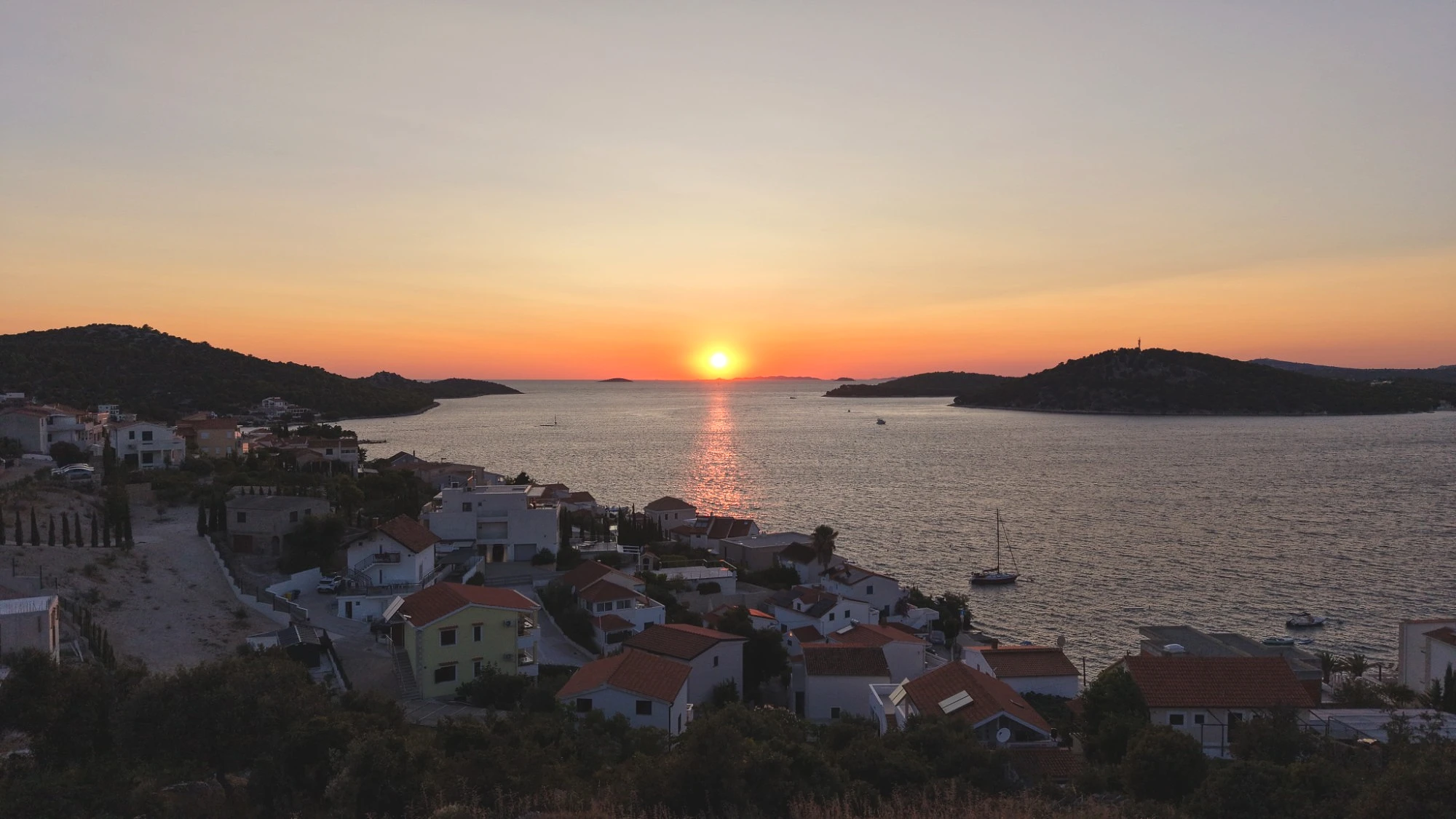
Many buyers plan to rent out their Croatian home when they are not using it. Done well, holiday rental income can cover running costs and add to the return on the property. But advertised yields are often based on gross figures, so it pays to understand the full picture before you buy.
How long is the rental season in Croatia?
On the Dalmatian coast, the main rental season runs from May to October, around half the year. July and August are the peak, with the highest nightly rates and strongest demand. June and September are popular with families without school-age children, couples and sailors. Outside the season, bookings are limited.
What do luxury villas charge per night?
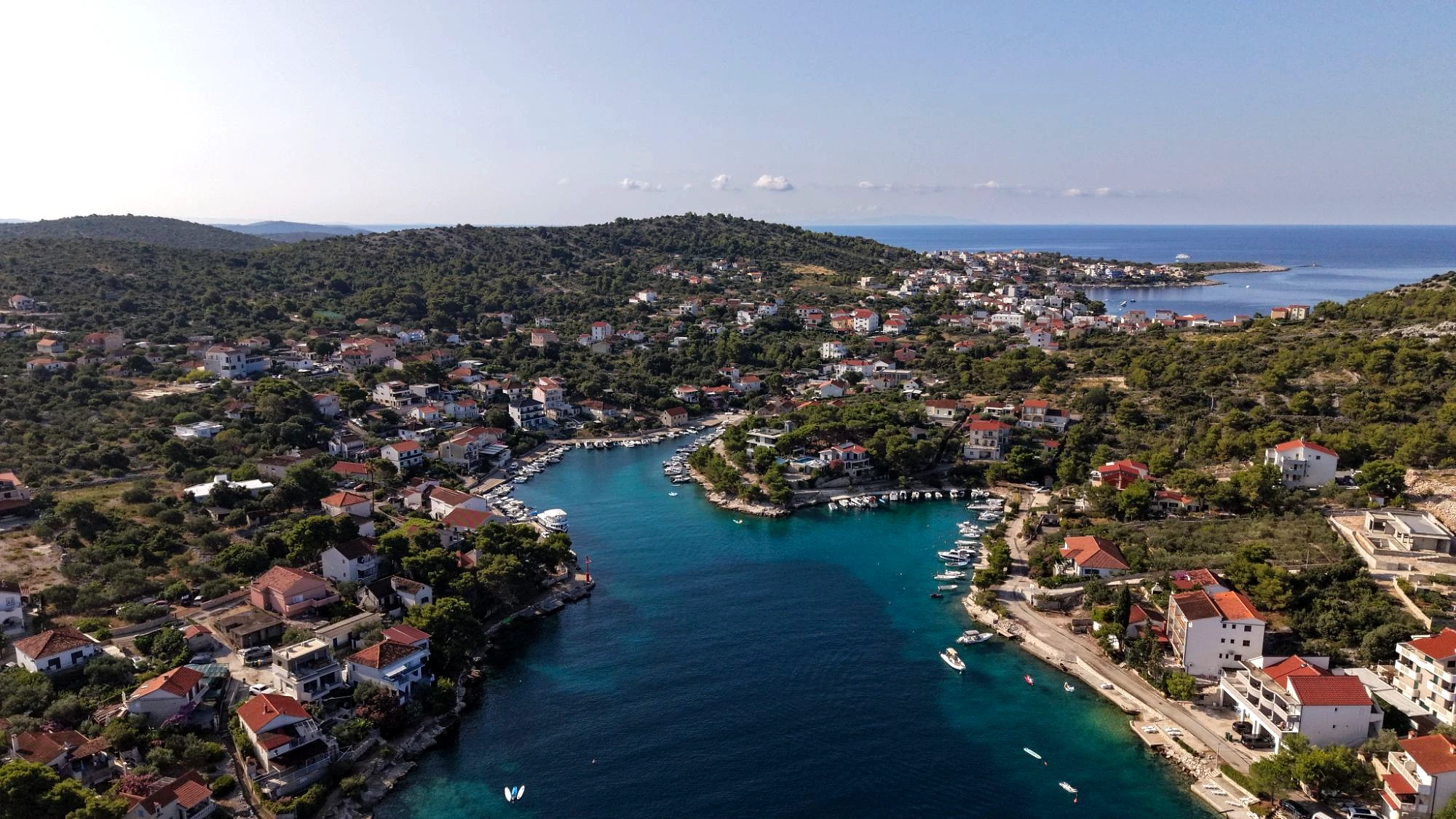
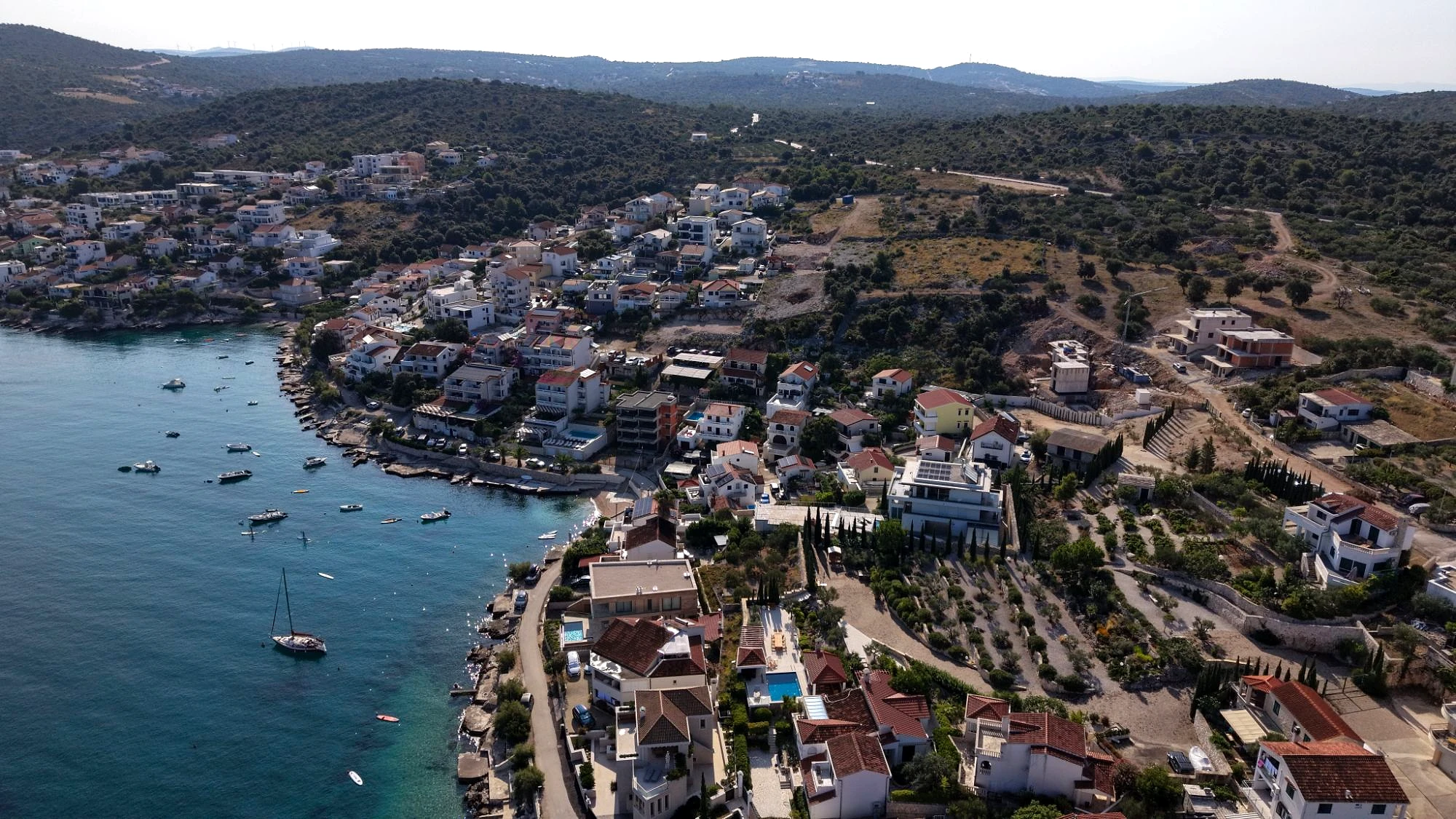
In the area around Ražanj and Rogoznica, comparable luxury villas with private pools typically charge €600 to €850 per night in July and August. Rates in June and September are lower, and lower again in May and October.
What a villa earns depends mostly on:
- Sea view and distance to the sea
- A private pool, ideally heated to extend the season
- Number of bedrooms and bathrooms
- Quality of finish, photos and reviews
- Professional management, including fast responses and good guest care
Gross vs net rental yield
Gross yield is annual rental revenue divided by the property price. Net yield is what remains after costs. In a seasonal market, the difference is significant.
A simple illustration
If a villa books 8 weeks in July and August at an average of €700 per night, that is around €39,200 of peak-season revenue. Bookings in June, September and the shoulder months add to this.
From that revenue, typical costs include:
- Management fees: a local company handling bookings, check-ins, cleaning and guest care usually takes a share of revenue.
- Booking platform fees: commission charged by Booking.com, Airbnb and similar sites.
- Cleaning and laundry between stays.
- Utilities and pool maintenance, which are higher in summer.
- Taxes: flat-rate income tax per bed, tourist tax per guest night and the annual property tax.
This example is for illustration only and is not a forecast. Actual income depends on the property, pricing, management and demand.
Licensing a holiday rental in Croatia
To rent to tourists legally, owners need:
- A rental licence (rješenje) from the local authorities.
- A star rating (categorisation), which affects pricing and tax.
- Guest registration through Croatia’s eVisitor system.
- Tax registration, with flat-rate tax paid per bed.
EU citizens can usually rent out property as private individuals. Non-EU owners often need to rent through a registered business, so take advice before buying. Rules are also tightening for apartments in shared buildings, which may need the consent of other owners. Standalone villas are generally simpler to license.
Rental income as part of the total return
In Croatia, many owners see rental income as one part of a wider return. It covers the costs of ownership while the property is held for long-term value and personal use. Coastal property prices rose 9.0% in the year to Q2 2026, according to the Croatian Bureau of Statistics. Read more in our guide to Croatia property prices in 2026.
Frequently asked questions
What is the average rental yield in Croatia? It varies widely by location and property type. Coastal holiday villas earn most of their income in summer, so always compare net yield, not just gross.
Can foreigners rent out property in Croatia? Yes. EU citizens can usually rent as individuals, while non-EU owners often need a registered business. A licence and star rating are required in both cases.
Do I need a licence to rent my villa on Airbnb in Croatia? Yes. Every tourist rental needs a licence, a star rating and guest registration through eVisitor.
How much tax do you pay on rental income in Croatia? Private renters typically pay a flat-rate tax per bed set by the municipality, plus tourist tax per guest night.
Ownership with year-round care
Croatian Hills homes come with optional management, from maintenance and housekeeping to full rental management, so owners can earn from the season without running it themselves. Request details or explore Hilltop and Northill.
This article is general information, not financial or tax advice. Always take independent advice before relying on rental income.